
Release time: 2026-06-29
Visits: 175
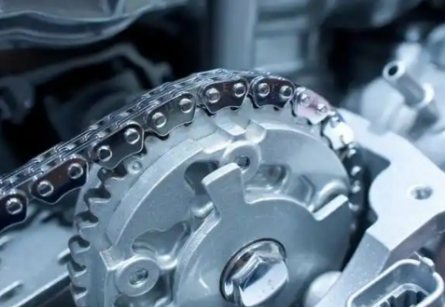
1、 The core function and common types of timing chains
As the core transmission component of the engine, the timing chain directly affects the accuracy and stability of power transmission. There are significant differences in the strength, wear resistance, and precision requirements of chains among different devices, which is the starting point of price differentiation.
Industrial grade equipment typically needs to withstand higher loads and operate continuously, and the timing chains that come with it often use special alloy materials; Ordinary car engines, on the other hand, place more emphasis on silent and lightweight design.
Only by understanding these fundamental differences can we determine whether the price truly reflects the value of the product.
2、 Key factors affecting prices
The material and process are the primary differences: carbon steel chains have lower costs but shorter lifespans, while alloy chains that use special heat treatment processes have higher unit prices but are more economical for long-term use.
Brand premium and service cost cannot be ignored: original accessories include technical adaptation and after-sales support, while compatible chains may require additional engine timing tools during installation.
Choosing the appropriate specifications based on actual usage intensity is a wise move to control overall costs.
3、 Key Differences in Timing Chain Selection between Cars and Motorcycles
The selection of timing chains should first clarify the usage scenarios, as there are significant differences in the load, speed, and durability requirements of the chains between cars and motorcycles. Automotive engines typically require higher torque and continuous operating pressure, while motorcycle chains place greater emphasis on lightweight and compact design.
PREV:Will a broken timing sprocket guide cause the engine to burn oil
NEXT:No more